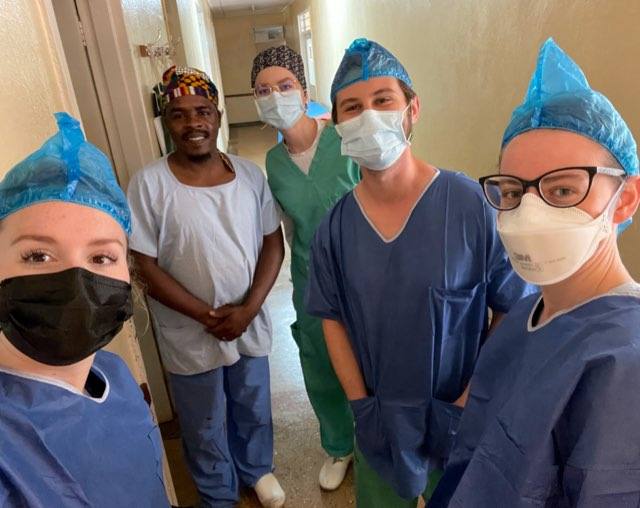
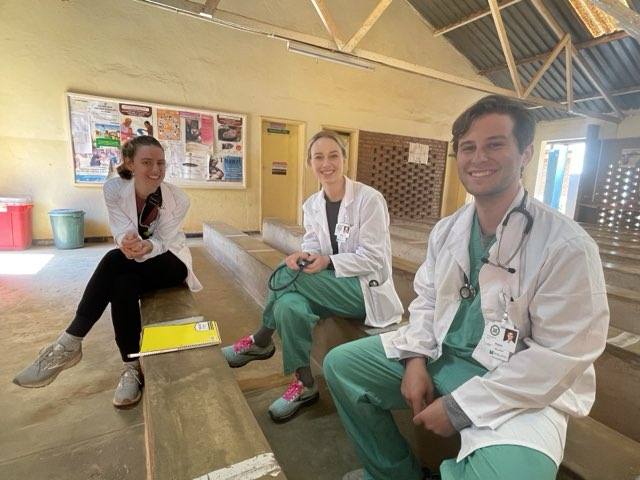
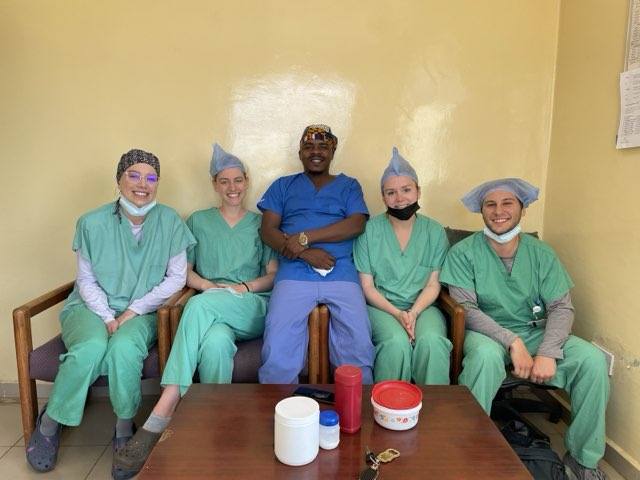
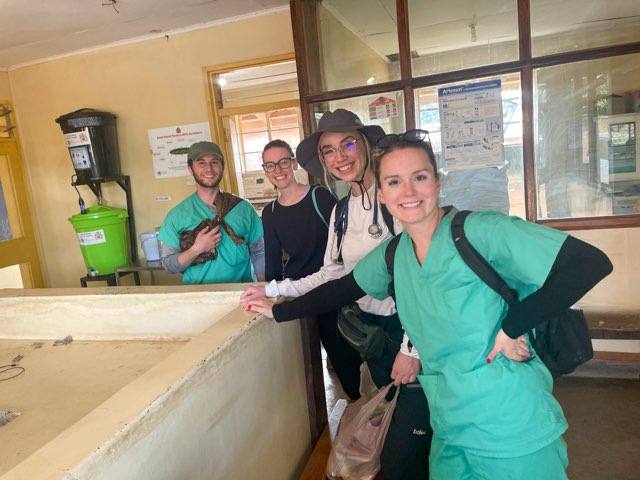
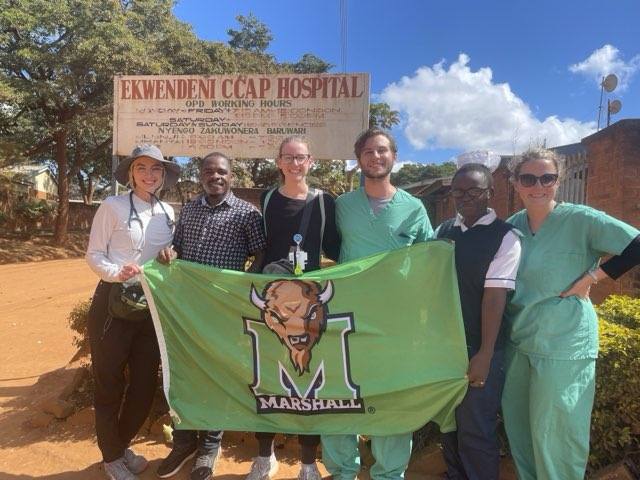
In April 2026, a team of medical students from Huntington, West Virginia will travel to rural northern Malawi for a 3-week service-learning experience. Led by the student leadership of our Global & Rural Medicine Interest Group, this program marks the first opportunity in several years for our medical students to return to an international clinical rotation following pandemic-related pauses.
Malawi, known as the "Warm Heart of Africa," is a landlocked country in southeastern Africa with strong community ties but significant public health challenges.
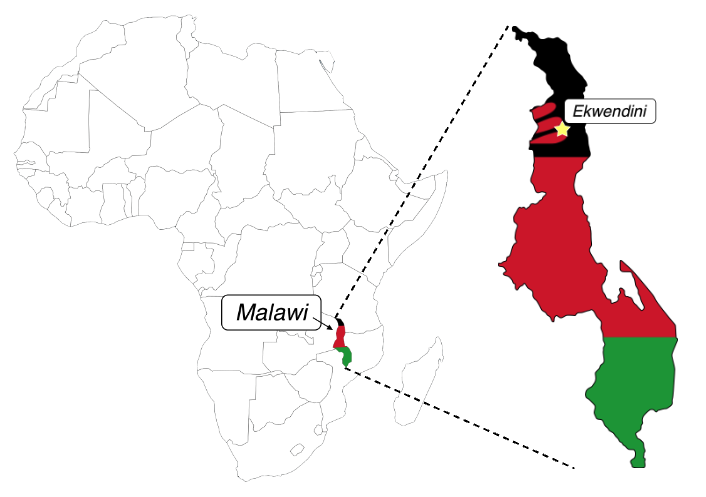
Click the image to open in Google Maps
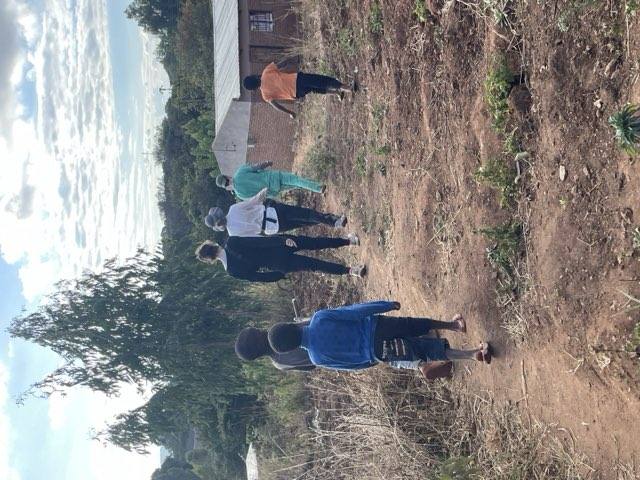
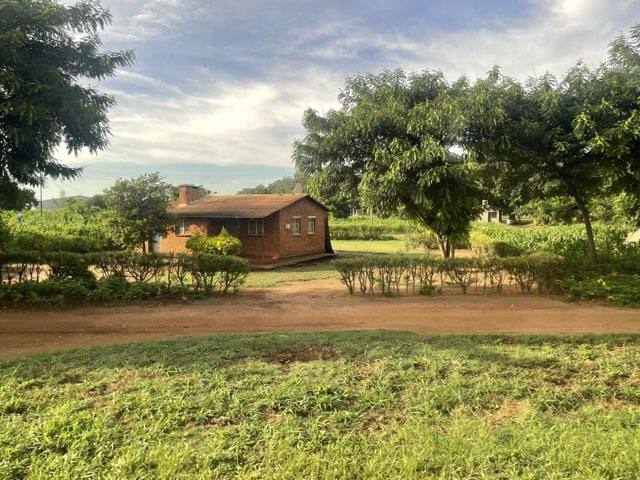
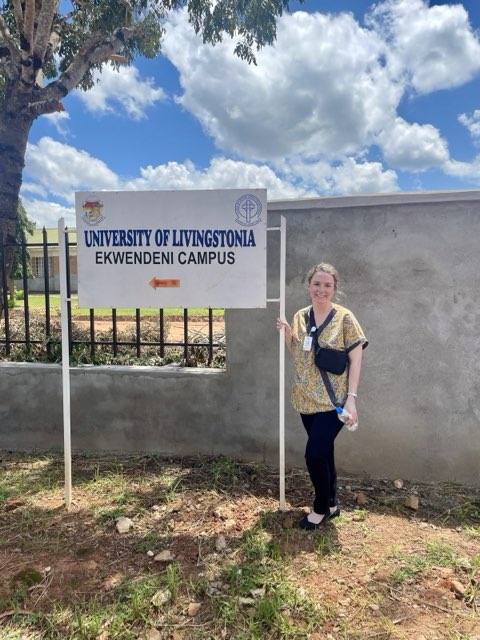
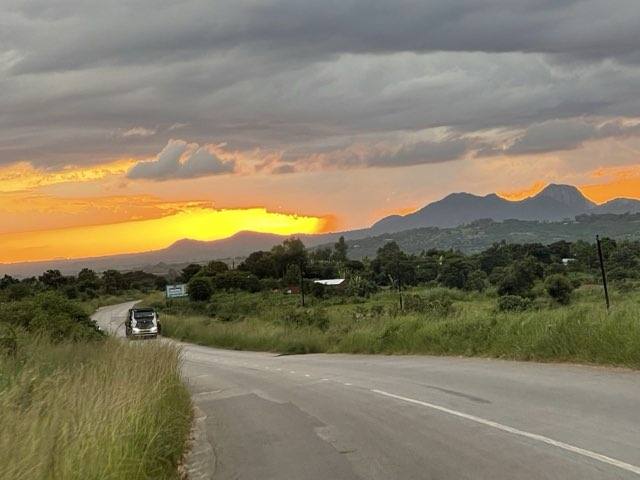
Northern Malawi and the Ekwendeni community are predominantly rural. Families often travel long distances to access care. Preventable illnesses such as malaria, tuberculosis, HIV, and childhood malnutrition remain prevalent.
The region relies on a small number of hospitals and outreach programs serving large populations with limited resources. Care is led by Malawian clinicians and nurses, under whose supervision our students will learn.
The challenges faced in Ekwendeni closely parallel those in rural Appalachia: long travel distances, limited resources, workforce shortages, and high burdens of preventable disease. Learning in this setting equips us with adaptability, cultural humility, and problem-solving skills that directly strengthen our ability to serve West Virginia.
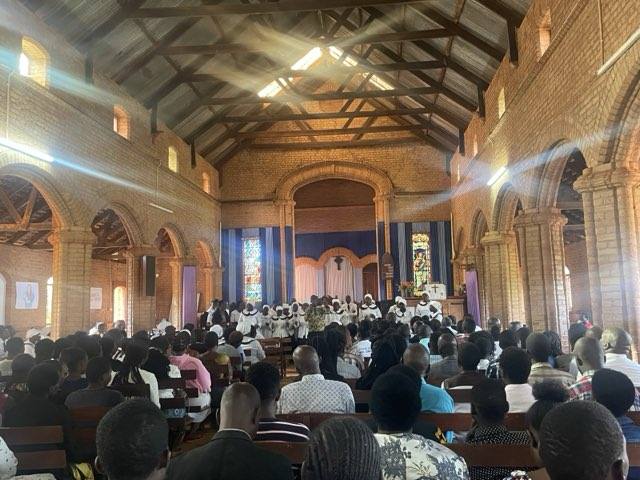
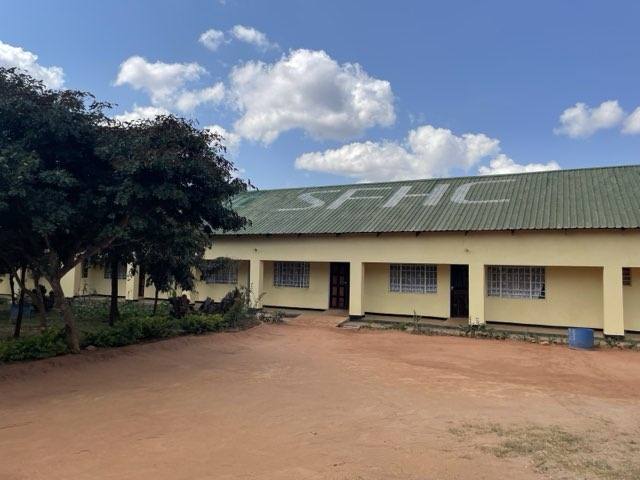
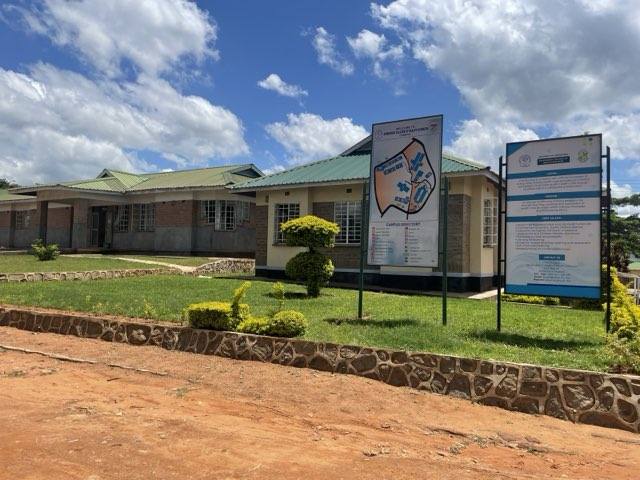
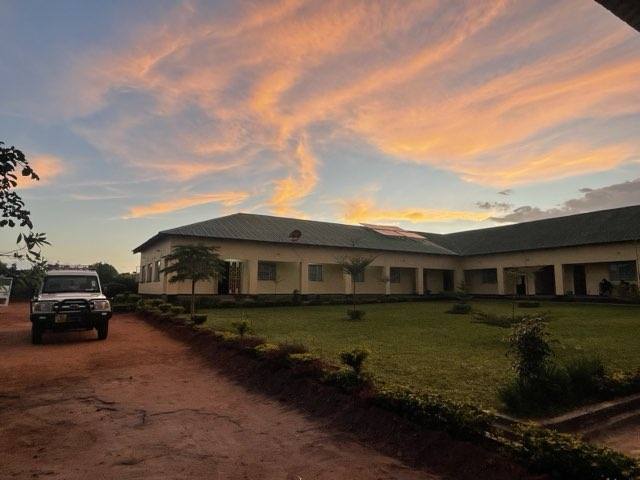
We will be hosted by one of the oldest mission hospitals in Malawi, a ministry of the Church of Central Africa Presbyterian (CCAP).
Remarkably, there are usually only 1-2 medical doctors and 1 surgical doctor on staff, supported by around 100 nurses and workers, to handle this volume. The hospital’s work is literally life-saving for a region facing high rates of infectious disease and malnutrition.
This journey is not about outsiders setting up temporary clinics. Instead, our focus is on learning and cultural exchange at an established local hospital and helping where we can.
We work closely with the hospital director to coordinate our activities. Students rotate schedules—some shadowing, others doing service—so we can learn and give back without overwhelming the hospital's capacity.
A balance of clinical learning, service, and cultural immersion.
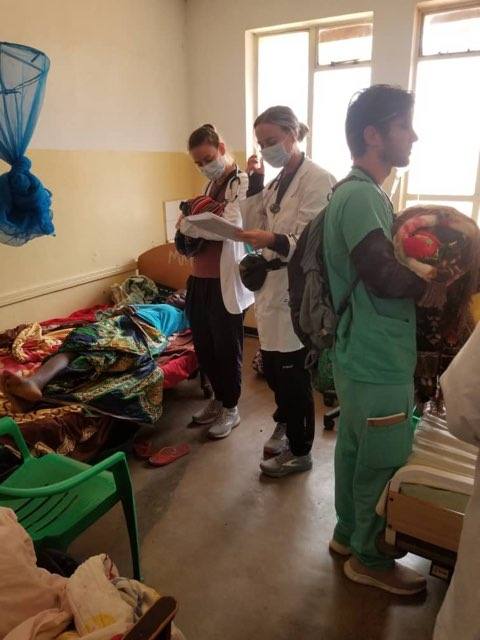
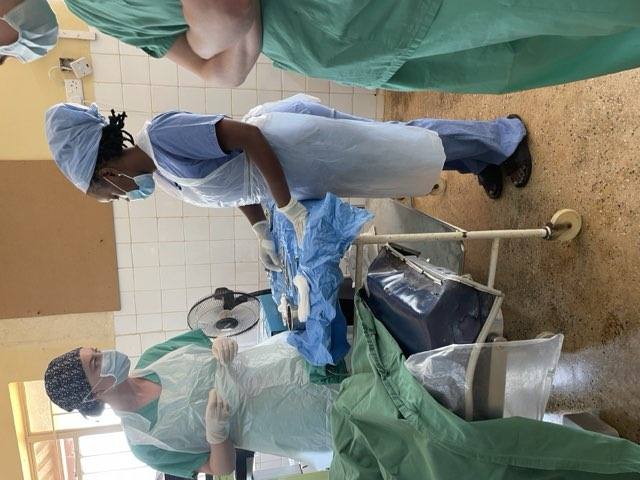
Under local guidance, students will be rotating through pediatrics, maternity, and inpatient wards. This offers hands-on learning in a resource-limited setting. We also will be completing a global health curriculum focusing on cultural competency and common clinical diseases.
Supporting EMH facility improvements and outreach:
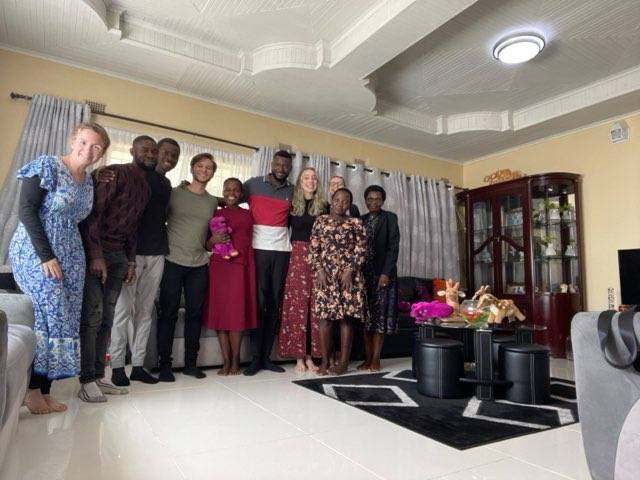
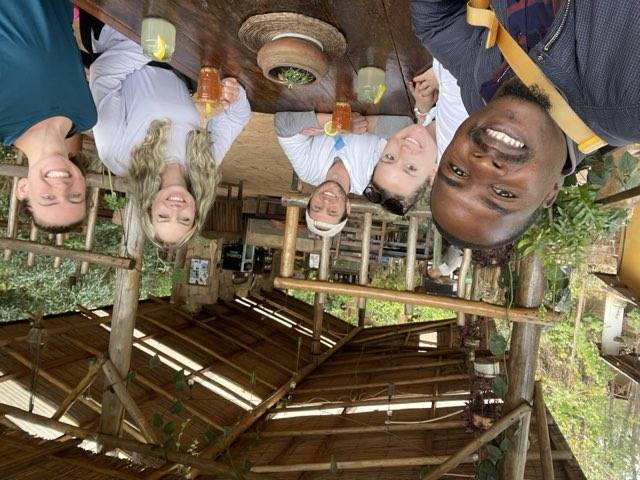
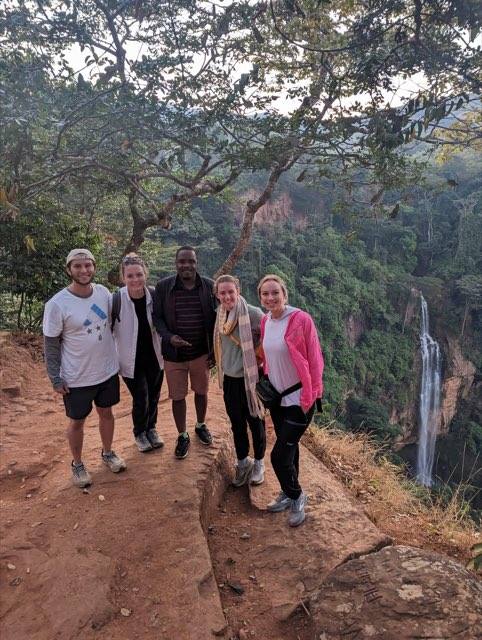
Building relationships is key. We plan to host a barbecue for hospital staff, organize friendly soccer matches, and hold activity days at local schools. We will also experience Malawi's natural beauty through excursions to Lake Malawi and national parks, fostering a deeper appreciation for the country's heritage.
Educational Presentations: Sharing lessons with students and community groups.
Rural Care Integration: Applying global health lessons to rural Appalachian care.
Mentorship: Training future medical students and continuing malaria research.
Shared Reflections: Posting essays, photos, and weekly blogs on social media and our program website.
Our commitment extends beyond short-term service. We emphasize long-term relationship building.
Our parent organization, the Global Medical Education Foundation, was founded by the leaders of this program and has already invested over $17,000 to supplement student tuitions at the Ekwendeni College of Health Sciences. This investment has helped provide education for future Malawian healthcare professionals, arguably the most impactful investment we can make in the community's health system.